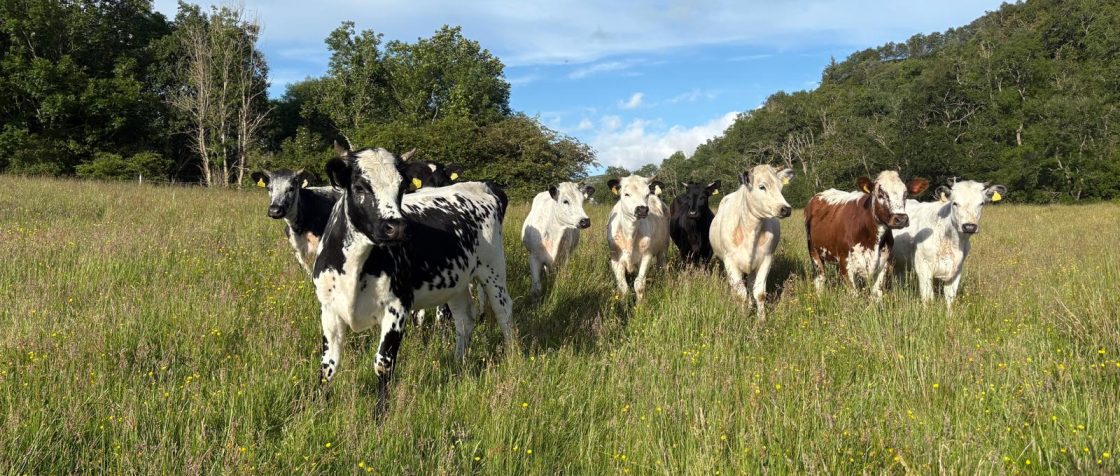
Summer grazing in the hills will revive the shieling tradition on the west coast of Scotland, with virtual fencing helping a new farming partnership manage the herd
A Highland farming tradition in which people took their cattle into the hills each summer will return to Ardtornish estate on Scotland’s west coast, using endangered Irish cattle and virtual fencing to make it work today.
The practice, known as transhumance, moved livestock from lower ground to summer pasture in the hills. Families stayed near the animals in simple dwellings called shielings.
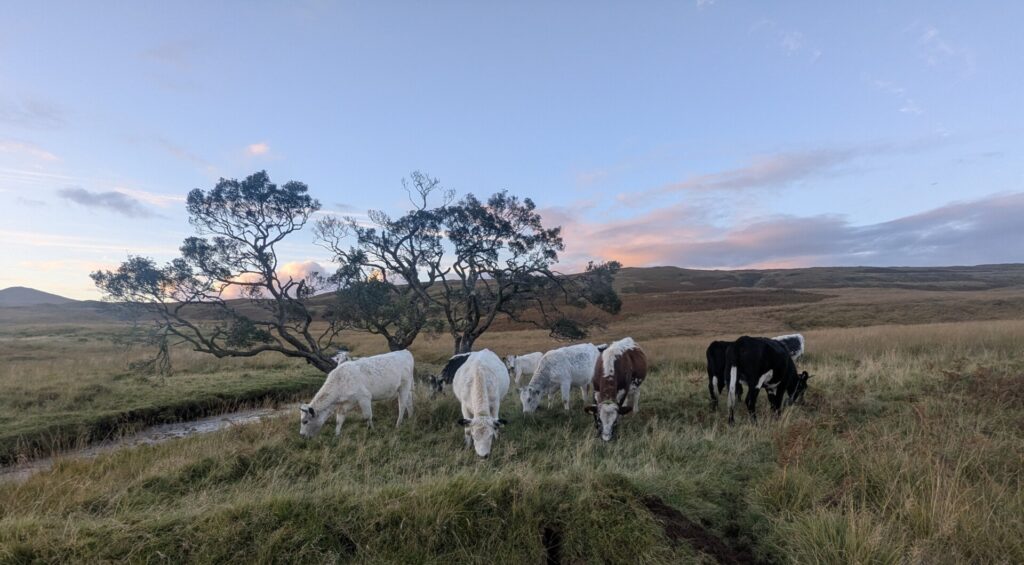
At Ardtornish on the Morvern Peninsula, farming partners Alec Heywood and Lizzie MacKenzie will bring back the seasonal movement of cattle as part of the estate’s land renewal programme. Lizzie’s ancestors had to leave Morvern in the Highland clearances when local people were removed from land to make way for sheep farming.
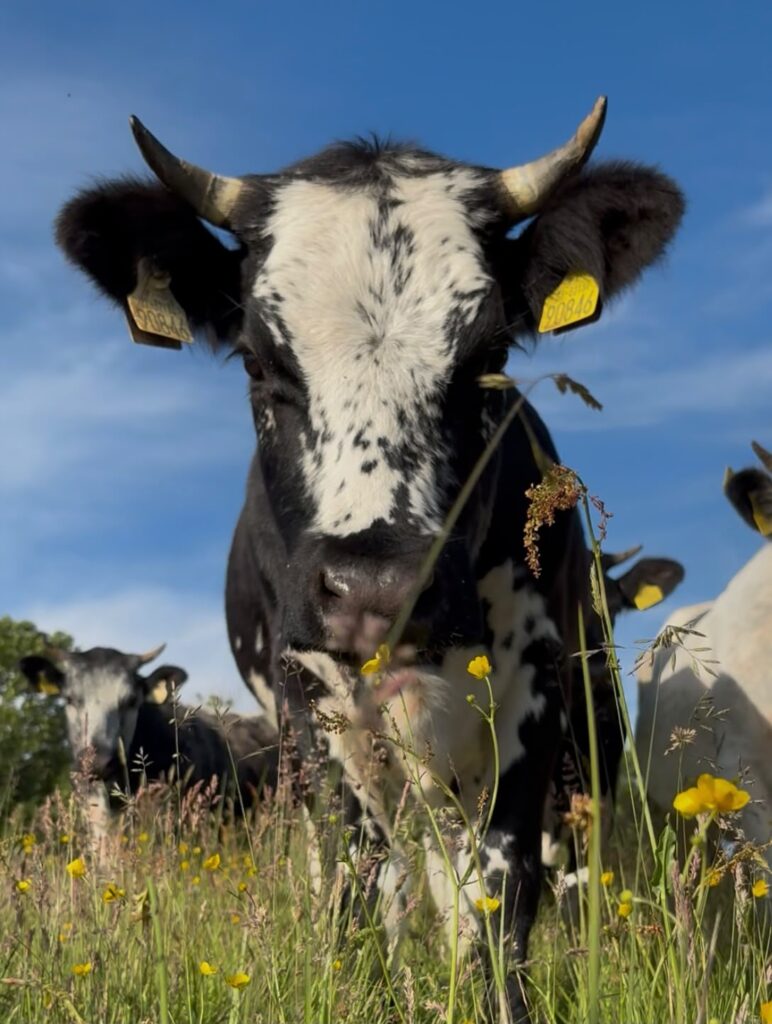
They will work with a herd of Droimeann cattle – traditionally used in ancient transhumance practices in Ireland – as well as native Scottish Highland cows.
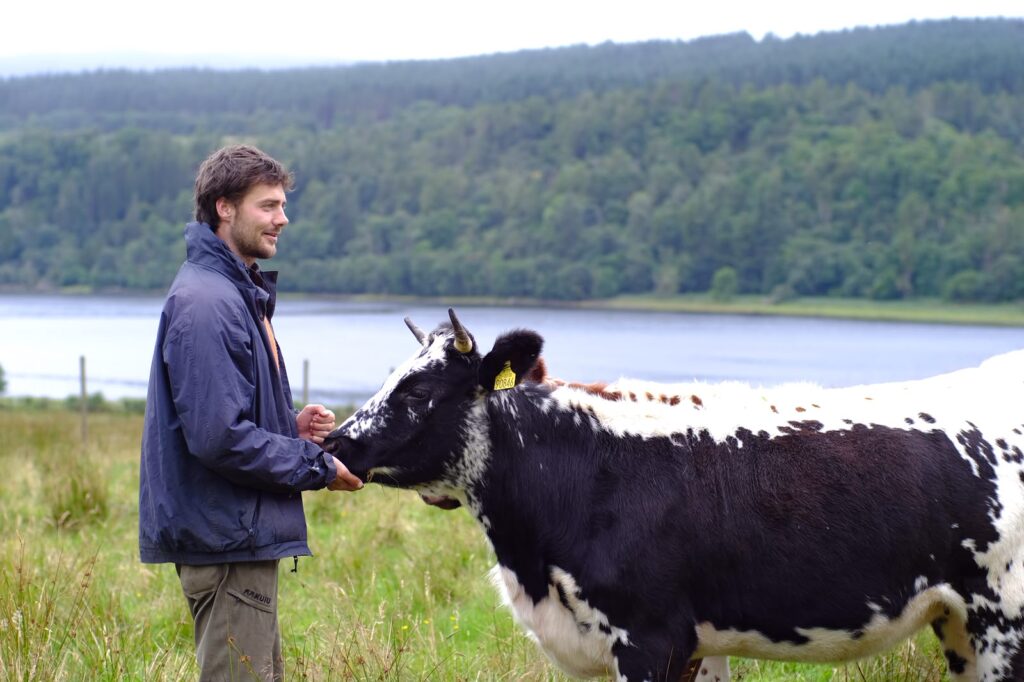
Old Scots Gaelic milking songs mention Droimeann cattle, celebrating the variety of coat patterns still found in the breed but no longer seen in Highland cows. Bringing the two breeds together connects to how people and animals used to use this landscape – in a modern way, seeking to revive nature.
The animals’ hardiness and ability to forage across rough ground, scrub and woodland make them suited to life on the estate’s hills. Their grazing and movement will also be directed towards places where they can help manage vegetation and support habitat recovery.
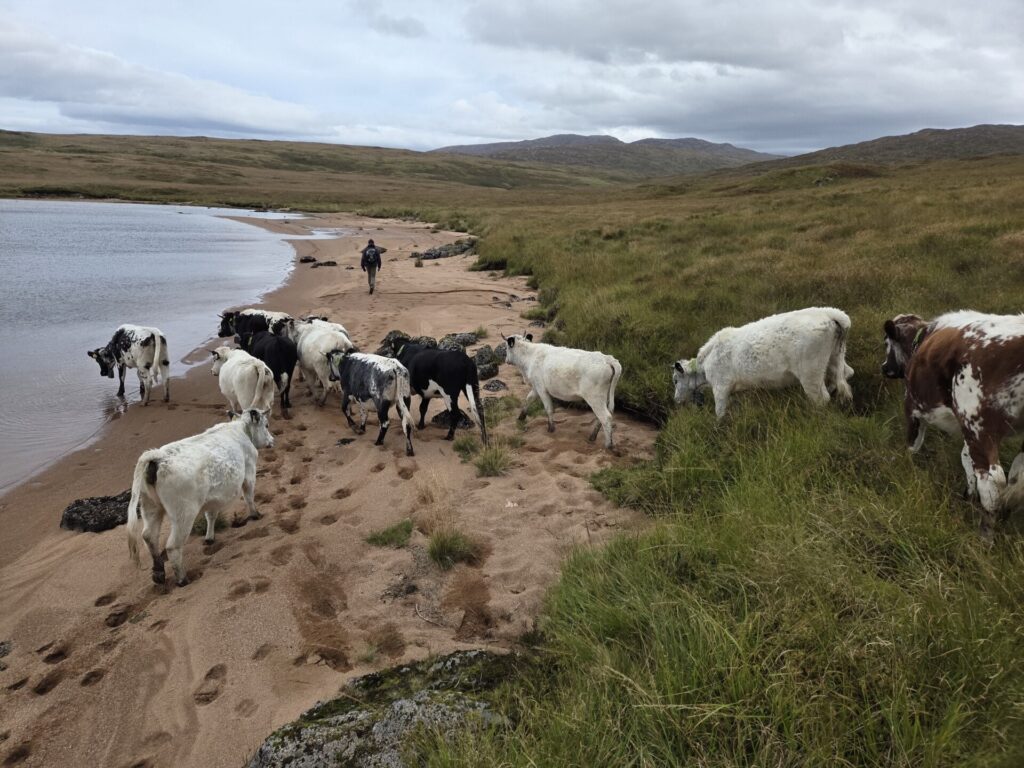
Using research in regenerative agriculture, the project will see rough Molinia grassland in the mountains being grazed through the summer, and the old shieling sites – which have altered soil from enrichment by seaweed – being used through the autumn and early winter. The cattle then move down to temperate rainforest along the coast in late winter, trampling bracken beds to help regenerate trees and plants.
Alec Heywood, Ardtornish farming partner, said:
“The key to our farming is seeing our animals as part of the ecosystem,“These cattle can convert rough grazing into food while helping natural processes thrive. Timing is everything: grazing the old shieling sites in autumn helps prepare spring breeding grounds for golden plover and greenshank, and places where black grouse gather to display.“We’re bringing back a way of farming that follows the seasons, with the cattle doing different jobs for nature as they move through the landscape.”
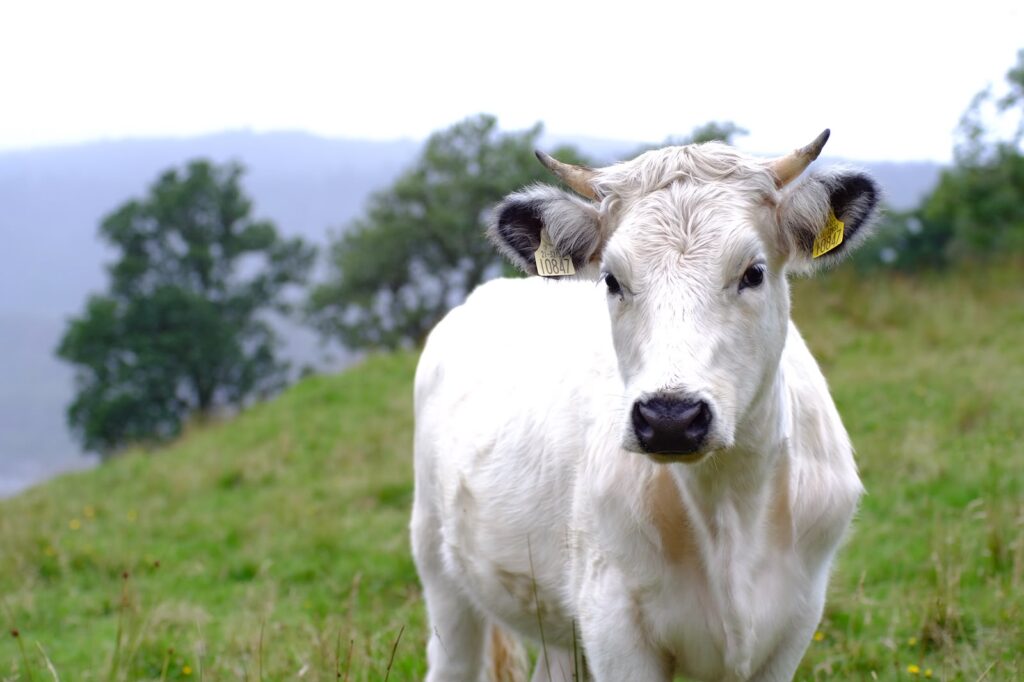
The cattle wear virtual-fencing collars that let the estate set boundaries on a map. When an animal approaches a boundary, the collars – now used by farmers across the UK – sound a warning; if the animal continues across, it can receive a low-level electric pulse. Generally, the cattle learn not to go right to the boundary.
The system lets the herd move between grazing areas without permanent fences across the landscape.
At Ardtornish, that control matters. The cattle can be moved onto areas of dense bracken or coarse grass and kept away from places where grazing would hinder woodland recovery or affect sensitive habitats where endangered species are clinging on.
Lizzie MacKenzie, Ardtornish farming partner, said:
“We’ll be riding out on horseback to check cattle in places you can’t reach by vehicle. The horses will also carry supplies, including mineral blocks the cattle lick for essential nutrients, while virtual fencing helps us manage the herd.“It’s an ancient way of farming with some very modern tools. There’s real joy in working this closely with animals and land, following the seasons and helping nature recover.”
Henry Dobson, estate manager at Ardtornish, said:
“The shieling tradition was about people, cattle and the hills being connected through the seasons.“We cannot simply recreate life as it was generations ago, but we can bring cattle back into parts of the landscape where they have a useful role. The collars give us the means to manage where they graze, and to change that as we learn what each area needs.”
The project forms part of Ardtornish’s wider effort to restore a more varied landscape while continuing to farm. The estate has reduced grazing pressure from sheep and deer and is working to encourage native woodland recovery. The Droimeann herd will produce food while also supporting that work.
Hugh Raven, managing director of Ardtornish, said:
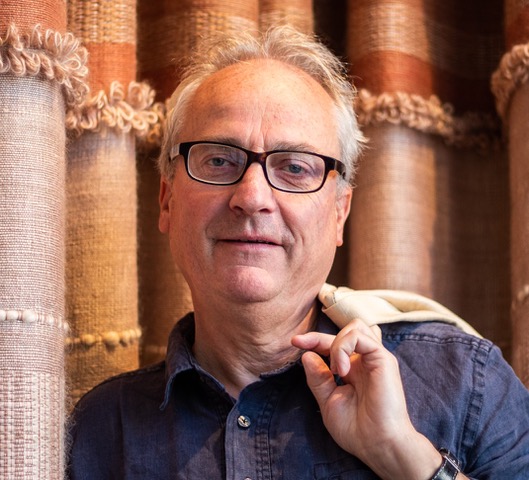
“For too long, farming and nature recovery have been treated as separate activities. This project brings them together, and it reconnects people with a tradition that once shaped life in the Highlands.“We want Ardtornish to be a place where a working farm, a recovering landscape and a thriving community can support one another.”